Youth Empowerment Sector
Building the capacity of young people
Youth Empowerment
CMSR-Tanzania recognises that young people possess the energy, creativity and determination to drive change in their communities. With the right guidance and support they can become persuasive leaders and agents of positive transformation, especially in rural areas.
Our approach focuses on peer-to-peer capacity building, enabling trained youth to transfer knowledge and skills to their peers in schools, institutions and communities. This model ensures wide reach and sustainability.
Youth-friendly services
CMSR-TZ has established four district-level “Mambo Poa” Youth Centres to provide youth-friendly services and safe spaces for learning, dialogue and engagement. These centres serve as hubs where young people can:
- Access accurate information and guidance on life skills, sexual and reproductive health, and HIV prevention.
- Build capacity through peer-to-peer training and leadership development programmes.
- Engage socially and connect with peers in a supportive environment that encourages open communication.
- Develop resilience, strengthening their ability to make informed decisions and contribute positively to community development.
Life skills, sexual and reproductive health
CMSR-TZ delivers life skills and sexual reproductive health education through trained peer educators, ensuring that young people receive accurate and culturally appropriate information. Peer educators use language that youths understand, apply local terminology to make messages culturally relevant, and employ non-verbal communication to create safe spaces for open dialogue on sensitive issues.
Peer-to-peer communication
Trained peer educators act as credible communicators with insider knowledge of their audience. This method is effective because it encourages trust and relationships, drives behavioural change and reduces stigma around sexual and reproductive health. It is also cost-effective — relying on volunteers, making it affordable to scale across communities — and sustainable, building local ownership and long-term capacity among young people.
Youth Empowerment projects
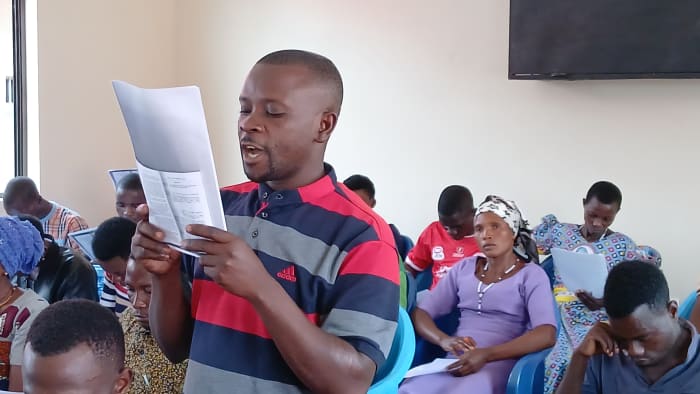 On-going
Help for Women Entrepreneurship with an Ecological Address — Rulenge
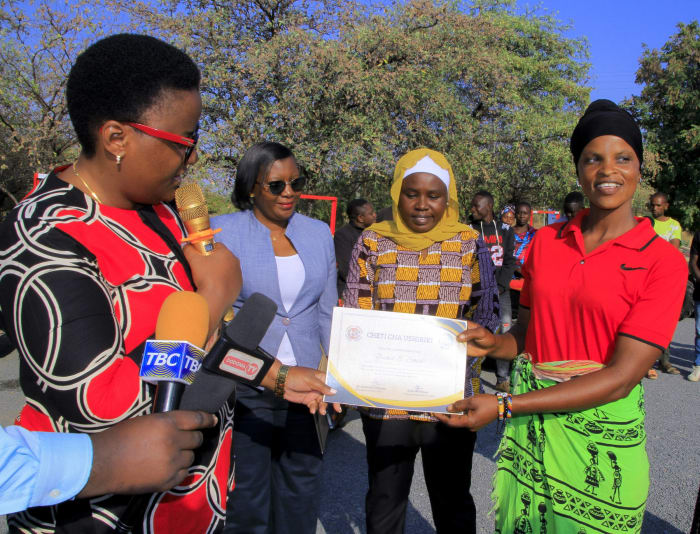 On-going