Agriculture Sector
Supporting food security through modern farming practices
Agriculture
Agriculture remains the backbone of rural livelihoods in Tanzania, yet in areas such as Dodoma it continues to face persistent challenges that undermine productivity and sustainability.
Despite the sector's importance, rural communities struggle with structural and environmental constraints that keep farming largely subsistence-based.
Key challenges
- Climate variability — erratic rainfall and recurrent droughts in semi-arid regions lead to frequent crop failures and food insecurity.
- Limited access to inputs — fertilisers, improved seeds and mechanisation remain unaffordable or unavailable for most smallholder farmers.
- Post-harvest losses — poor storage, transport and processing facilities for horticultural produce.
- Inadequate irrigation infrastructure — farmers depend on unreliable rainfall.
- Market access constraints — poor linkages with formal markets force smallholders to sell to middlemen at low prices.
- Financial exclusion — rural households cannot access agricultural loans, limiting investment in productivity.
- Youth disengagement — young people migrate to urban areas due to limited opportunities and lack of modernised farming support.
Our response
CMSR-TZ engages youth in the agriculture sector by forming youth and women groups with shared interests to collaborate on community development initiatives. These groups serve as platforms for collective action, skills development through training, mentorship and peer learning.
We support youth groups in practising Good Agronomic Practices (GAPs) at village level through the Farmer Field School approach. This participatory model enables young people to learn by doing — applying agronomic techniques directly in the field, improving productivity, transferring knowledge to peers and community members, and promoting resilience by adopting climate-smart methods.
By engaging youth in practical, hands-on training, the Farmer Field School approach strengthens their capacity to contribute to increased production, food security, income generation and sustainable rural development.
Agriculture projects
 Phase Out
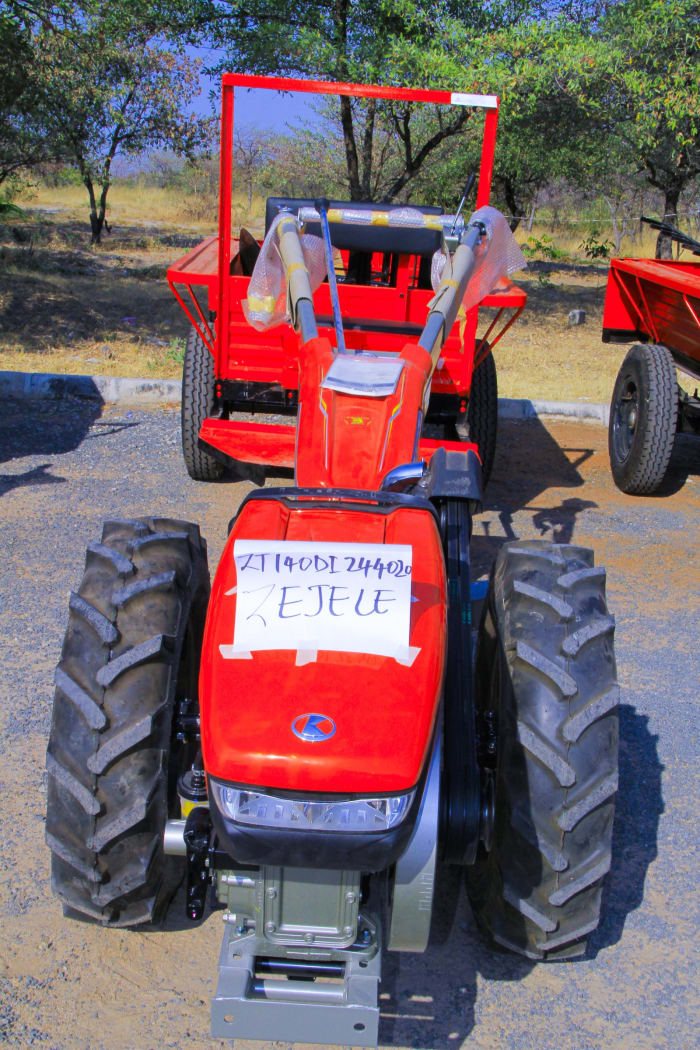
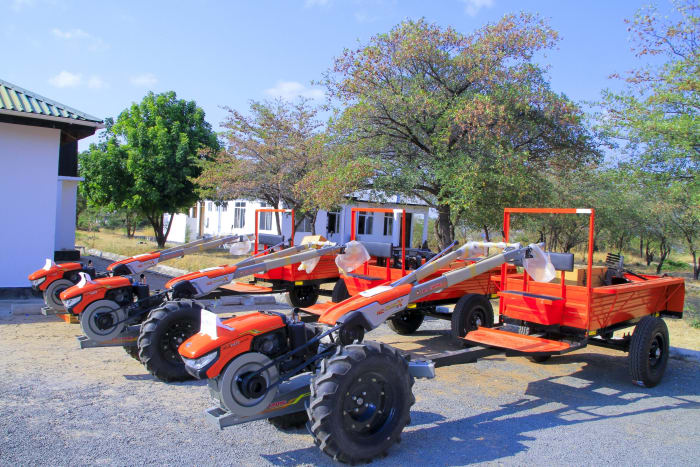
Promotion of Agriculture First — Kilimo Kwanza Project for Youth
 Phase Out